
Pain and tension
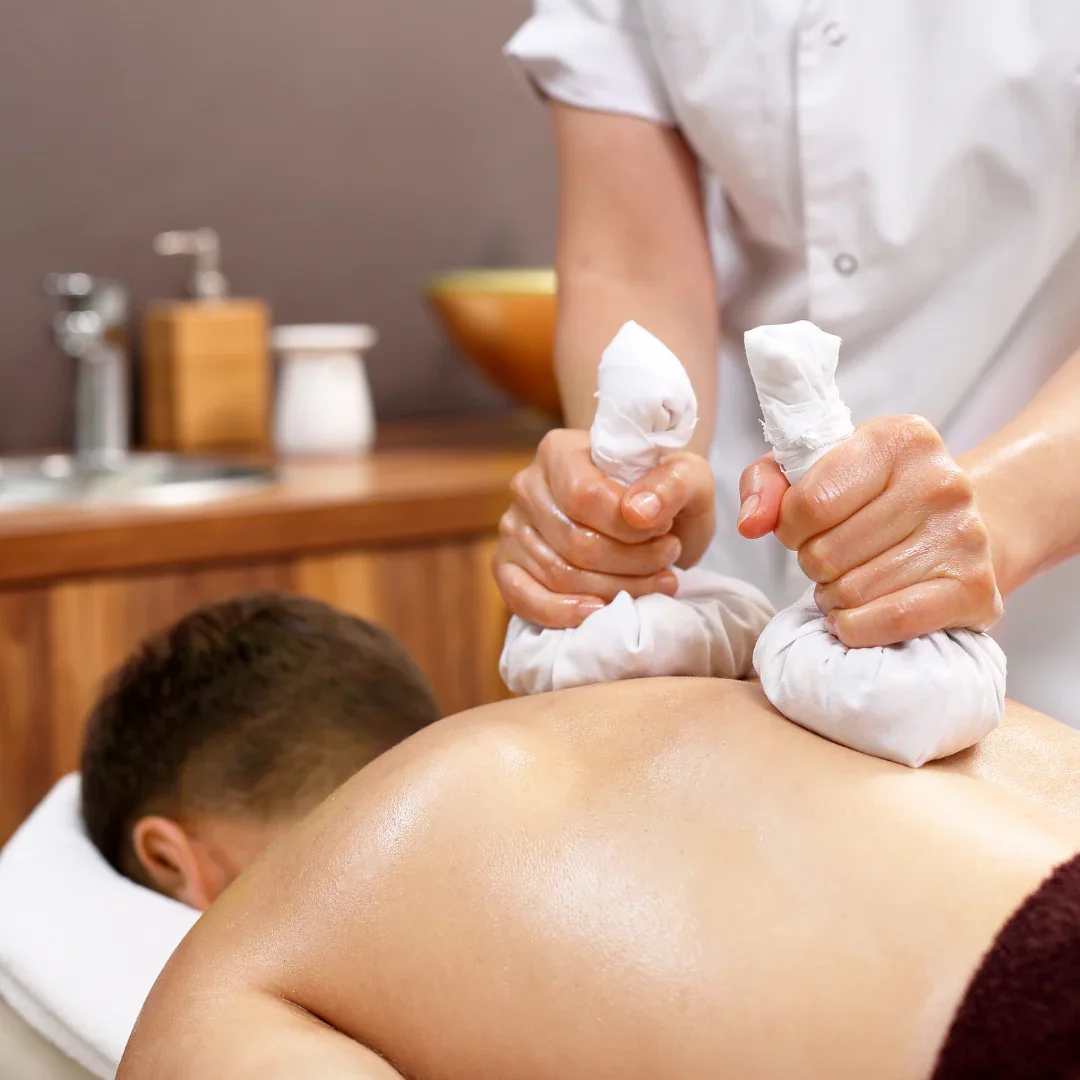
How Acupuncture May Support Pain Relief and Release of Tension
At Stella Maris Acupuncture & Wellness, acupuncture is approached as a supportive therapy for easing physical tension and encouraging the body’s natural healing processes.
Understanding Pain and Tension in the Body
Pain is one of the body’s primary ways of signaling that something needs attention. It may appear suddenly after an injury or develop gradually through long-term stress, repetitive strain, or emotional tension stored in the body.
Muscle tightness, stiffness, and chronic discomfort are often connected not just to physical factors, but also to nervous system regulation, stress levels, sleep quality, and daily movement patterns.
When the body remains in a prolonged state of tension, muscles may stay contracted, circulation may be reduced, and recovery may become less efficient.
The Mind-Body Connection in Physical Discomfort
Physical pain and emotional stress are closely linked. When the nervous system is under pressure, the body may remain in a heightened state of alertness, which can increase muscle tension and sensitivity to discomfort.
Common areas where tension is often held include:
Neck and shoulders
Jaw and facial muscles
Lower back
Head and temples
Hips and pelvis
Over time, this sustained tension can contribute to headaches, stiffness, fatigue, and reduced mobility.
A holistic approach recognizes that physical discomfort is often influenced by both physical and emotional stressors.
How Acupuncture May Help with Pain and Tension
Acupuncture is traditionally used to support balance within the body by stimulating specific points with very fine needles. These points are selected based on individual patterns of discomfort and overall health.
Many individuals report that acupuncture sessions feel deeply relaxing and may help the body shift out of chronic tension states.
Acupuncture may support:
Muscle relaxation
Improved circulation
Reduced stiffness
Nervous system regulation
Headache and tension relief
Increased mobility and ease of movement
Rather than simply masking discomfort, the goal is to support the body’s natural ability to release tension and restore balance over time.
Chronic Pain and Long-Term Patterns
When pain becomes chronic, it often reflects longer-term patterns in the body, such as posture imbalances, repetitive strain, stress accumulation, or unresolved injury.
In these cases, a consistent and supportive treatment approach may be more effective than short-term interventions alone.
Acupuncture is often used as part of a broader wellness plan that may include movement therapy, stress management, lifestyle adjustments, and restorative self-care practices.
Supporting Recovery Beyond the Treatment Room
Long-term relief from pain and tension is often supported by daily habits that help reduce strain on the body.
Helpful practices may include:
Gentle stretching and movement
Posture awareness
Adequate hydration
Stress reduction techniques
Regular rest and recovery
Breathwork or relaxation practices
Ergonomic support during work or daily activities
These practices can help reinforce the effects of treatment and support ongoing physical balance.
A Restorative Approach to Pain Care
Modern approaches to pain often focus on quick fixes or symptom suppression. A holistic perspective instead emphasizes understanding the root patterns contributing to discomfort and supporting the body’s ability to heal and regulate itself.
Acupuncture offers a gentle, non-invasive way to support this process by encouraging relaxation, circulation, and nervous system balance.
